
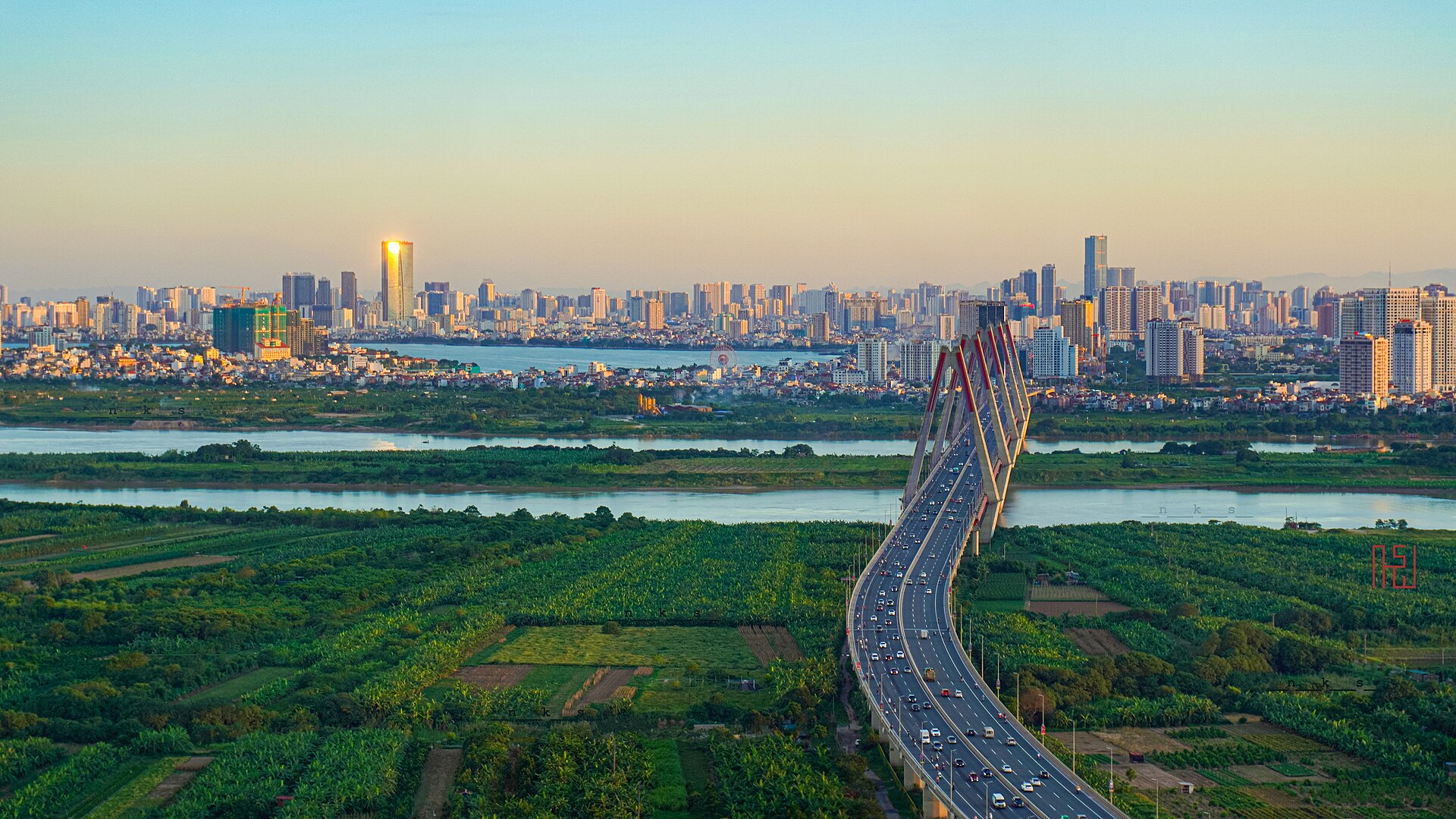
Hanoi skyline. File photograph published in 2022; illustrative context for the Canada–Vietnam partnership. Photo: NKSTTSSHNVN / Wikimedia Commons. CC BY-SA 4.0. Responsive display; cropped in some story cards.
Event or reference date: September 24, 2026
Canada and Vietnam elevated their relationship to a strategic partnership on September 24, setting out cooperation across eight areas during Vietnamese leader Tô Lâm’s visit to Ottawa.
The joint statement covers trade and investment, transport, technology, energy, food security, defence, education and diplomatic cooperation. Prime Minister Mark Carney met Tô Lâm, Vietnam’s Communist Party general secretary and president, during the visit.
Energy and transport are practical priorities
The governments welcomed a memorandum on energy cooperation covering conventional and clean energy, including liquefied natural gas, hydrogen and renewables. They also pointed to aviation consultations that expanded air-service capacity and route flexibility to enable direct services.
For technology, the statement identifies potential research and talent partnerships in artificial intelligence, quantum technologies and semiconductors.
What remains to be delivered
The document mixes signed agreements with intentions to explore further cooperation. Its priorities do not, by themselves, establish completed investments, operating air routes or new export sales. Follow-through by governments, regulators and businesses will determine the partnership’s practical reach.
Sources and reporting method
Canada–Vietnam joint statement, September 24
Prepared with AI assistance from the public documents linked above. This article contains no on-scene reporting or independent interviews.


