
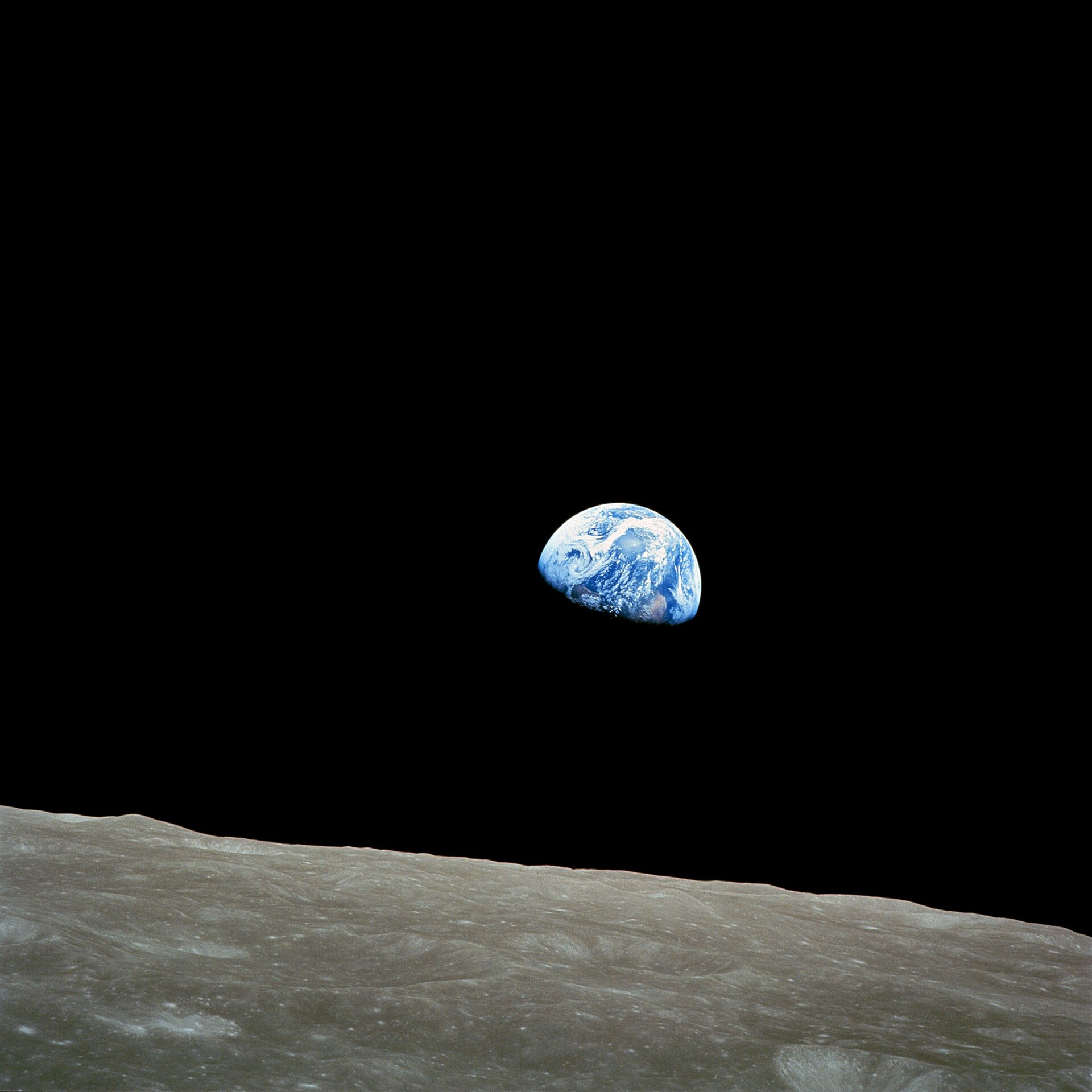
Earthrise, photographed during Apollo 8 on December 24, 1968. Historical space-exploration image; not an Artemis mission photograph. Photo: NASA / Bill Anders / Wikimedia Commons. U.S. public domain. Responsive display; cropped in some story cards.
Event or reference date: September 28, 2026
The Artemis Accords now have 76 participating countries, NASA said on September 28 after welcoming Albania, Croatia, Côte d’Ivoire and San Marino.
The framework sets out principles for peaceful and coordinated space exploration. NASA highlights transparency, assistance to those in need, access to scientific data, avoiding interference and protecting historically significant sites.
From signatures to coordination
NASA says participating countries have developed recommendations on interoperability, data sharing and registration practices. Workshops this year examined planned lunar missions and practical ways to share scientific information.
The next principals’ meeting is planned during the International Astronautical Congress in Antalya, Türkiye, beginning October 5. NASA says discussions will include support for emerging space nations and recommendations on lunar debris.
What membership tells readers
The count measures governments joining a framework for cooperation. It does not mean 76 countries have launched lunar missions or committed identical amounts of funding. The practical test is how the principles shape individual missions and the information that participating countries share.
Sources and reporting method
NASA announcement, September 28
Prepared with AI assistance from the public documents linked above. This article contains no on-scene reporting or independent interviews.


